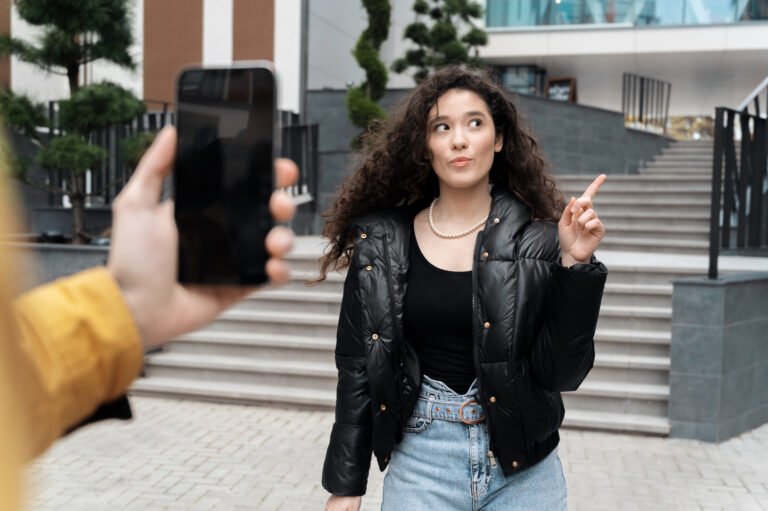
The phrase “influencers gone wild” has become a widely searched term as social media continues to shape modern culture, celebrity, and digital behavior. Influencers were once admired for their creativity, authenticity, and ability to connect with audiences on a personal level, but as competition for attention intensifies, some content creators push boundaries in shocking and controversial ways. The concept of influencers gone wild refers to moments when online personalities engage in extreme, reckless, or inappropriate behavior in pursuit of viral fame, clicks, and engagement. From public meltdowns and offensive remarks to dangerous stunts and ethical violations, these incidents reveal the darker side of influencer culture and raise important questions about responsibility, mental health, and the power of online platforms.
What Does “Influencers Gone Wild” Really Mean?
The term influencers gone wild is not limited to one specific type of behavior but instead describes a broad range of actions where influencers cross social, ethical, or legal boundaries. In many cases, this includes posting explicit content, engaging in public feuds, spreading misinformation, or staging outrageous stunts that put themselves or others at risk. These incidents often gain massive attention because controversy fuels engagement, and social media algorithms tend to reward content that triggers strong emotional reactions. As a result, influencers who “go wild” can experience sudden spikes in views and followers, even if the attention is negative, reinforcing a cycle where extreme behavior becomes normalized.
The Role of Social Media Platforms in Influencers Gone Wild Trends
Social media platforms play a crucial role in the rise of influencers gone wild moments, even if unintentionally. Algorithms on platforms like Instagram, TikTok, YouTube, and X prioritize engagement, meaning that shocking or polarizing content is more likely to be promoted. This creates an environment where influencers feel pressured to constantly outdo one another to remain visible and relevant. While platforms claim to enforce community guidelines, enforcement can be inconsistent, allowing controversial content to spread rapidly before being removed. This delayed moderation often amplifies the reach of wild influencer behavior, turning private mistakes into global spectacles.
Why Influencers Go Wild for Viral Fame
One of the main reasons behind influencers gone wild behavior is the intense pressure to stay relevant in a crowded digital marketplace. Influencers rely on views, likes, sponsorships, and brand deals for income, and even a short drop in engagement can significantly affect their earnings. As audiences become desensitized to traditional content, some influencers resort to extreme tactics such as staged scandals, provocative challenges, or offensive commentary to recapture attention. In many cases, this behavior is driven by burnout, competition, and the constant demand to perform, highlighting the mental and emotional toll of influencer life.
Controversies and Scandals Linked to Influencers Gone Wild
Over the years, numerous high-profile scandals have shaped public perception of influencers gone wild culture. These controversies include fake charity fundraisers, misleading product promotions, cultural insensitivity, and dangerous pranks. When influencers misuse their platforms, the impact extends beyond personal reputation damage and can influence millions of followers, including young and impressionable audiences. Brands often distance themselves from influencers involved in scandals, but by the time consequences arrive, the viral damage has already been done. These incidents underline the importance of accountability and ethical standards in digital influence.
The Impact of Influencers Gone Wild on Followers and Society
The influence of influencers gone wild behavior goes far beyond entertainment and gossip. Followers often look up to influencers as role models, and reckless actions can normalize harmful behavior or unrealistic lifestyles. Young audiences may imitate dangerous stunts, adopt unhealthy beauty standards, or misunderstand boundaries between online personas and real-world responsibilities. On a broader scale, repeated influencer scandals contribute to declining trust in digital creators, making audiences more skeptical and brands more cautious. This shift is slowly redefining what it means to be influential in the digital age.
Can Influencers Recover After Going Wild?
Recovery after an influencers gone wild incident depends largely on how the influencer responds. Those who take responsibility, offer genuine apologies, and demonstrate personal growth often manage to rebuild trust over time. Transparency, accountability, and consistent positive behavior can help restore credibility. However, influencers who double down on controversy or dismiss criticism often face long-term damage to their careers. The public has become increasingly aware of performative apologies, making authenticity more important than ever in the recovery process.
The Future of Influencer Culture After Influencers Gone Wild Trends
As audiences mature and platforms evolve, the future of influencer culture may shift away from shock-driven fame toward more sustainable and responsible content creation. The repeated cycle of influencers gone wild scandals has prompted discussions about mental health support, ethical guidelines, and platform accountability. Brands and audiences alike are beginning to value authenticity, expertise, and long-term impact over fleeting viral moments. While wild behavior may never disappear entirely, its effectiveness as a growth strategy is slowly declining.
Conclusion: Lessons Learned from Influencers Gone Wild
The phenomenon of influencers gone wild serves as a powerful reminder of the risks that come with digital fame. While social media offers unprecedented opportunities for creativity and connection, it also magnifies mistakes and rewards extreme behavior. Influencers, platforms, brands, and audiences all share responsibility in shaping a healthier online environment. By prioritizing authenticity, accountability, and ethical content, the influencer industry can move beyond controversy-driven fame and build a more sustainable future rooted in trust and value.
Frequently Asked Questions (FAQs)
What does influencers gone wild mean?
Influencers gone wild refers to situations where social media influencers engage in extreme, controversial, or inappropriate behavior to gain attention, often resulting in viral backlash or scandals.
Why do influencers go wild on social media?
Many influencers go wild due to pressure to stay relevant, competition for views, financial incentives, burnout, and the algorithmic reward system that favors shocking content.
Are influencers gone wild incidents always intentional?
Not always. Some incidents are impulsive or the result of poor judgment, while others are deliberately staged to generate controversy and engagement.
How do influencers gone wild affect brands?
Brands associated with controversial influencers can suffer reputational damage, leading many companies to quickly cut ties and rethink influencer partnerships.
Can influencer culture change after influencers gone wild trends?
Yes, as audiences demand more authenticity and accountability, influencer culture is gradually shifting toward responsible content and long-term credibility rather than shock value.